Loading...
Serving Merced, CA and surrounding areas. (209) 308-1176
Serving Merced, CA and surrounding areas. (209) 308-1176
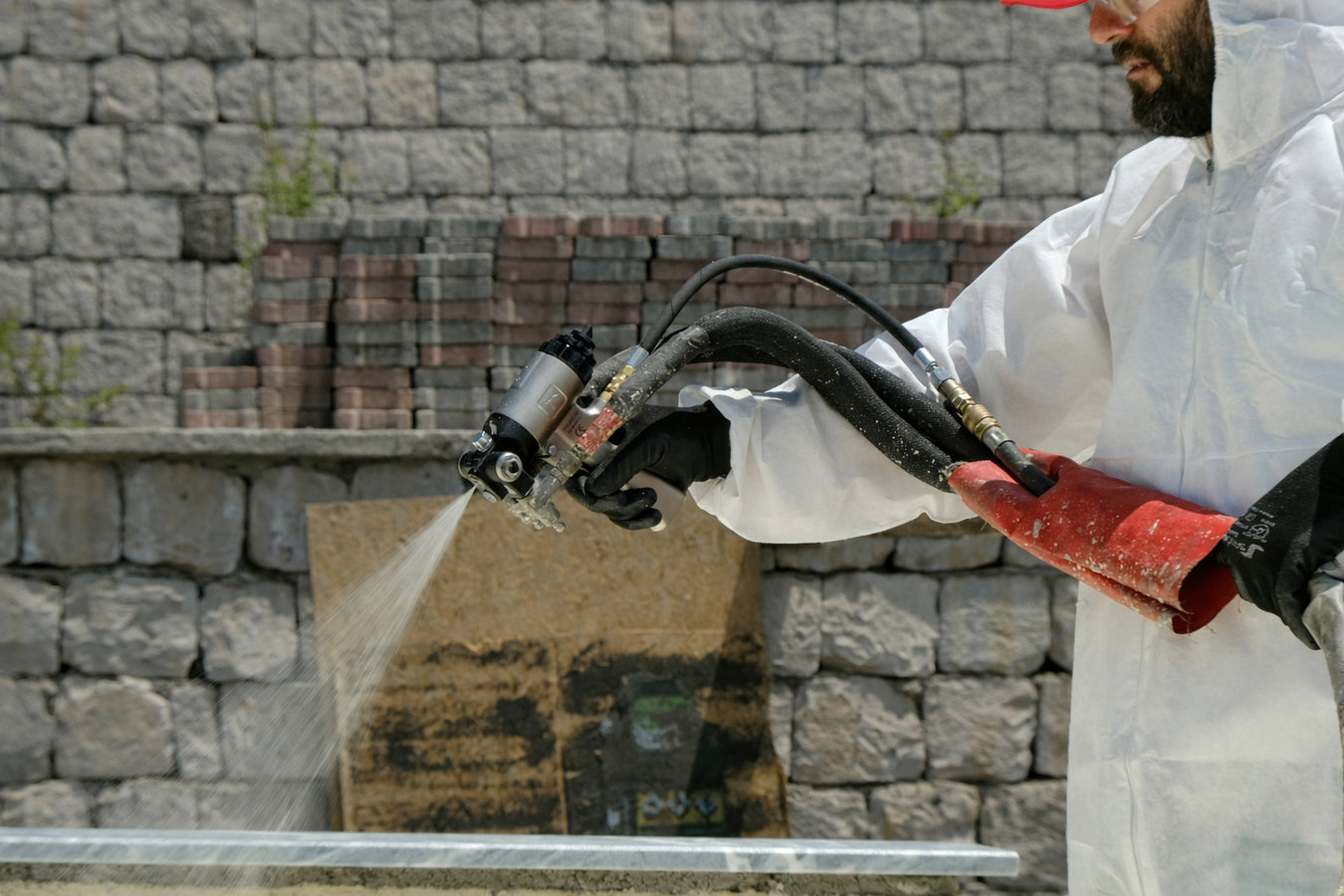
Merced Insulation is a local insulation contractor serving Livermore, CA with spray foam insulation, attic insulation, blown-in insulation, crawl space vapor barriers, air sealing, and retrofit wall insulation. We have worked on Tri-Valley and Central Valley homes since 2022, and we respond to every inquiry within one business day.
Livermore's mix of aging ranch homes near downtown and stucco tract homes in north and east subdivisions both benefit from spray foam applied at crawl space rim joists, sill plates, and attic knee walls. Spray foam delivers insulation value and a permanent air seal in a single application, which is particularly effective in the older properties near downtown where decades of clay soil movement have opened infiltration gaps that other materials cannot fully close. Read more about our spray foam insulation services and whether closed-cell or open-cell foam is the right fit for your Livermore home.
Ranch homes from the 1950s through 1970s make up the largest share of Livermore's housing stock, and most of them have original attic insulation sitting well below California's current R-38 requirement for this inland climate zone. Livermore summers regularly push above 95 degrees Fahrenheit, and attics in homes at or below R-19 absorb enough heat to overwhelm air conditioning systems that are otherwise functioning correctly. Upgrading attic insulation is one of the most direct ways Livermore homeowners can reduce summer cooling costs.
Blown-in fiberglass or cellulose is the standard approach for bringing Livermore attics up to California code depth without disturbing existing ductwork, wiring, or storage areas. It is fast, fills irregular framing cavities without gaps, and works well in the low-pitched ranch attic spaces common throughout Livermore's central neighborhoods. For attics that already have some insulation but fall short of R-38, blown-in top-off is the most cost-effective path to code compliance.
Livermore's clay soil expands in wet winters and contracts in hot summers, gradually opening infiltration gaps at sill plates, top plates, and framing penetrations in older homes. Diablo winds in fall can also shift attic materials and open bypasses that let conditioned air escape. Air sealing those entry points before adding insulation is the correct installation sequence for any Livermore attic upgrade, especially in the pre-1980 properties that make up the core neighborhoods between downtown and the Springtown district.
Livermore gets most of its annual rainfall between November and March, and older ranch homes with vented crawl spaces can accumulate significant ground moisture during wet winters. When that moisture reaches wood floor framing, it creates conditions for mold and rot that can progress quietly for years before showing any visible sign. A properly installed vapor barrier on the crawl space floor stops ground moisture at the source, protecting the structural framing and subfloor of Livermore's older single-story homes.
Wall cavities in Livermore homes built before the late 1970s are frequently empty or have only token original insulation. Retrofit blown-in insulation fills those cavities through small drilled holes without requiring stucco removal or interior wall demolition. For the ranch and split-level homes that line the streets between downtown Livermore and the Livermore Premium Outlets, retrofit wall insulation is one of the most practical comfort improvements available without undertaking a full interior remodel.
Livermore is inland from the coast, and unlike most Bay Area cities it gets genuinely hot summers. Temperatures above 95 degrees Fahrenheit are common from June through September, and heat waves above 105 degrees occur most years. Most of Livermore's ranch-style homes from the 1950s through 1970s were built when California's insulation requirements were far lower than today's Title 24 R-38 standard for attics in this climate zone. The result is that a home that was considered adequately insulated when it was built now falls significantly short of what is needed to keep air conditioning costs in check during peak summer heat.
The clay soil under most Livermore properties expands during wet winters and shrinks during hot, dry summers. This seasonal movement is a consistent source of infiltration gaps at sill plates, framing connections, and foundation interfaces, especially in homes that have been through 40 or 50 cycles of this expansion and contraction. Diablo winds in fall, which can bring sudden dry gusts through the Tri-Valley, can shift attic materials and open roof penetrations that allow conditioned air to escape. Both of these local factors mean that adding more insulation without first sealing infiltration pathways delivers only partial results.
Older homes near downtown Livermore, some of which date to the early 1900s, bring an additional layer of complexity. Wood-frame construction, foundations poured before modern building codes, and original single-pane windows mean the whole building envelope needs to be understood before any insulation scope is defined. Homes in the newer north and east Livermore subdivisions, built in the 1990s through 2010s, face a different issue: they are entering the 15-to-25-year range where original HVAC equipment and building envelope components need evaluation, and insulation that met code at construction may no longer reflect what California requires now.
Merced Insulation works in Livermore regularly, and any permits required for Livermore insulation jobs are coordinated through the City of Livermore Building and Safety Division. The homes we encounter most often in Livermore are the 1950s and 1960s ranch homes in the central neighborhoods between downtown and the I-580 corridor, and the older wood-frame homes in the blocks closest to historic downtown where construction quality and attic access vary considerably from property to property.
Livermore's layout runs east-west along the I-580 corridor, with the historic downtown centered on First Street near the Bankhead Theater. The Springtown district and the neighborhoods off Portola Avenue on the north side of the city have the newer two-story homes that require different insulation sequencing than the single-story ranch stock in the central and south neighborhoods near the Livermore Valley wine country. Lawrence Livermore National Laboratory anchors the southeastern edge of the city and draws a long-term homeowning workforce that invests seriously in property maintenance.
We also regularly serve homeowners in Tracy to the east and Merced to the south, communities where many of the same Central Valley building stock and climate conditions apply.
Reach us by phone or through our online form. We respond within one business day, ask about your home's age, neighborhood, and what you have noticed about comfort or energy costs, and confirm a visit time that fits your schedule.
We come to your Livermore home at no charge, inspect the attic, crawl space, and any walls of concern, and measure current insulation depth and moisture conditions. There is no obligation to book any work after the visit.
You receive a written itemized estimate before anything is scheduled. We walk through each line item, explain the scope, and confirm whether your Livermore project qualifies for a PG&E rebate that can reduce your out-of-pocket cost.
The crew arrives on the agreed date and completes the work, typically in a single day for most Livermore spray foam and attic jobs. We provide completion photos and all paperwork needed for any utility rebate application.
We serve Livermore homeowners from the older streets near downtown to the newer subdivisions off Portola Avenue. No obligation, no pressure, just a free on-site assessment and a written quote before anything is scheduled.
(209) 308-1176Livermore is a city of about 92,000 people in Alameda County, sitting at the eastern edge of the San Francisco Bay Area in the Tri-Valley region. It is home to two major national research institutions, Lawrence Livermore National Laboratory and Sandia National Laboratories, which together employ thousands of scientists, engineers, and support staff who have made Livermore their long-term home. The city is also well known for the Livermore Valley wine country, with dozens of wineries operating just outside the city limits in one of California's oldest wine appellations. Most Livermore residents own their homes and have a long-term stake in keeping them maintained and efficient.
The housing stock in Livermore reflects the city's growth through the postwar suburban boom. Ranch-style single-story homes from the 1950s through 1970s are the most common type, found throughout the central neighborhoods between downtown and the I-580 corridor. The blocks closest to historic downtown include some of the city's oldest properties, with wood-frame construction dating to the early 1900s. Newer two-story homes in the Springtown district and off Portola Avenue on the north side of the city were built in the 1990s through 2010s. Roughly 60 to 65% of Livermore homes are owner-occupied, above the California average, and this stable homeowning base tends to invest seriously in property improvements and maintenance.
Homeowners in neighboring Stockton and Modesto to the east share many of the same Central Valley climate drivers and postwar housing stock characteristics. We serve all of these communities as part of our broader service area across the valley and the Tri-Valley.
Spray foam creates an airtight seal that stops drafts and reduces energy loss in walls, roofs, and crawl spaces.
Learn moreProper attic insulation keeps conditioned air where it belongs and prevents heat from entering in summer.
Learn moreBlown-in insulation fills irregular cavities and existing walls without tearing out drywall.
Learn moreWhole-home insulation assessments and installation to improve comfort in every room.
Learn moreSafe removal of old, damaged, or contaminated insulation before a fresh installation.
Learn moreCrawl space insulation reduces moisture, improves floor comfort, and lowers heating costs.
Learn moreWall insulation reduces noise transmission and stabilizes indoor temperatures year-round.
Learn moreAir sealing closes gaps around pipes, wires, and framing to eliminate drafts and energy waste.
Learn moreBasement insulation prevents cold floors above and helps maintain a consistent indoor temperature.
Learn moreClosed-cell spray foam offers a high R-value per inch and acts as a vapor barrier in one step.
Learn moreOpen-cell foam is a cost-effective option for interior walls and attics that also reduces noise.
Learn moreSealing attic bypasses stops conditioned air from escaping through the ceiling into the attic.
Learn moreA vapor barrier under your home prevents ground moisture from entering the living areas above.
Learn moreVapor barriers protect insulation and structural materials from moisture damage throughout the home.
Learn moreRetrofit insulation adds thermal protection to existing homes without major renovation work.
Learn moreCommercial insulation solutions for offices, warehouses, and multi-unit buildings in the Central Valley.
Learn moreServing these cities and communities.
Contact Merced Insulation for a free on-site estimate. We serve all Livermore neighborhoods and respond within one business day.